Home / Pillars & Programs

Five pillars. One integrated strategy.

Our 2026–2030 Strategic Plan organizes every program under five interlocking pillars, each one a lever for the same outcome: rural communities that prosper on their own terms.

01
Livelihoods

Inclusive Market Systems & Rural Livelihoods

Strengthening the economic base of rural communities through enterprise, finance, and fair market access.

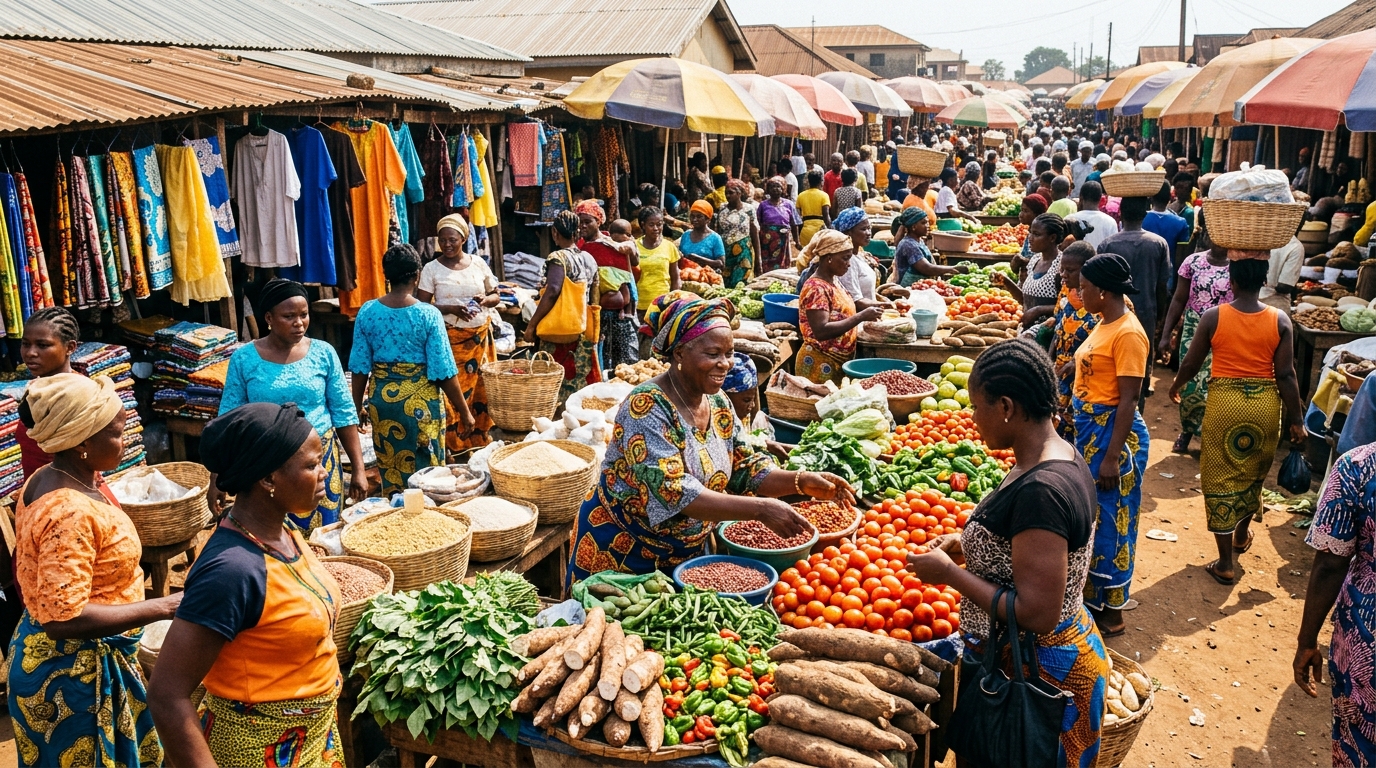
  • On-farm & off-farm value chains, strengthening rural NMSMEs, cottage industries, artisan guilds, and primary production value chains.
  • Digital & financial inclusion, last-mile digital tools, micro-credit linkages, asset financing (BNPL/PAYG), and structured savings clusters for unbanked households.
  • Commercial market access, de-risking private sector investment and building equitable out-grower and buyer-supplier models.
02
Green infrastructure

Green Infrastructure & Low-Cost Eco-Buildings

Building the climate-friendly physical backbone that rural market systems run on.

  • Climate-friendly built environment, low-cost, bioclimatic processing centers, storage facilities, and community hubs using locally sourced materials and passive thermal cooling.
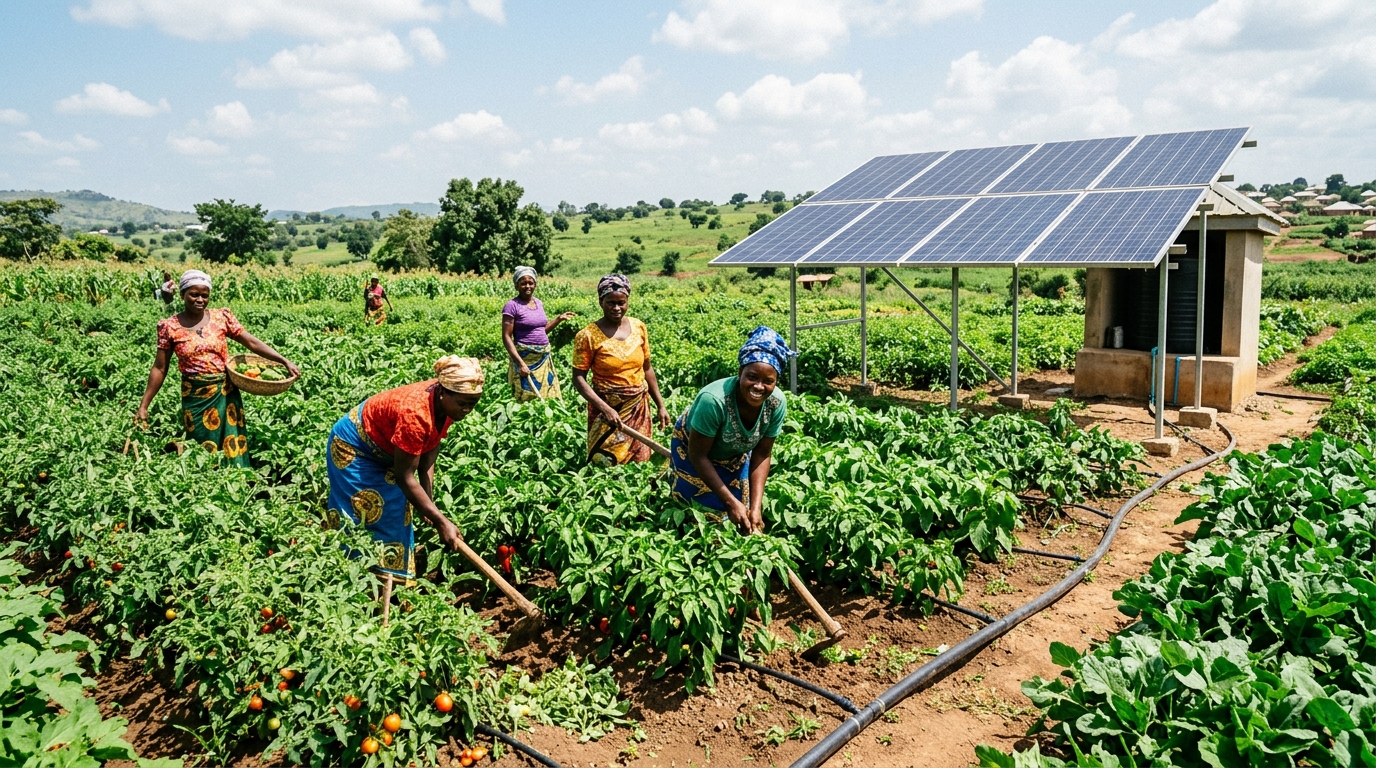
  • Clean energy & zero-emission cold chains, off-grid solar micro-grids, solar drying, and evaporative zero-emission cooling for perishable goods.
  • Circular economy & waste management, transforming agricultural waste and rural bio-products into bio-energy, building materials, and soil amendments.
03
One Health

Community & Planetary Health, One Health & Bio-Innovations

Connecting human, animal, and environmental health as one system.

  • WASH & microbiological safety, bio-safe, clean water access and community-level water quality testing and sanitation infrastructure.
  • Food safety & mycotoxin mitigation, scientific interventions to prevent post-harvest contamination, including aflatoxin management and pathogen control.
  • Bio-inputs & soil ecosystem restoration, nature-positive bio-fertilizers, microbial soil inoculants, and sustainable land management.
  • Nutrition-sensitive livelihoods, aligning rural enterprise with household nutrition and maternal-child health outcomes.
04
GESI

Gender Equality and Social Inclusion / Gender Transformative (GESI)

Shifting who holds power, ownership, and voice in rural economies.

  • Power dynamics transformation, shifting structural and socio-cultural barriers so women and youth move from unpaid labor to enterprise ownership and governance roles.
  • Youth innovation & digital apprenticeship, positioning rural youth as technology agents, green infrastructure builders, and clean-tech entrepreneurs.
  • Universal inclusion, structuring physical, financial, and digital interventions to be fully accessible to persons differently abled and vulnerable household heads.
05
Governance & climate

Local Governance, Policy & Climate Risk Resilience

Anchoring every gain in institutions that can sustain it.

  • Community stewardship, strengthening local traditional institutions, cooperative leadership, and community risk management committees.
  • Climate adaptation planning, participatory climate-risk mapping, early warning systems, and disaster preparedness toolkits.
  • Policy advocacy, translating field-tested research and evidence into actionable policy briefs for local, national, and regional decision-makers.